Category | Quality Management
Last Updated On 20/04/2026
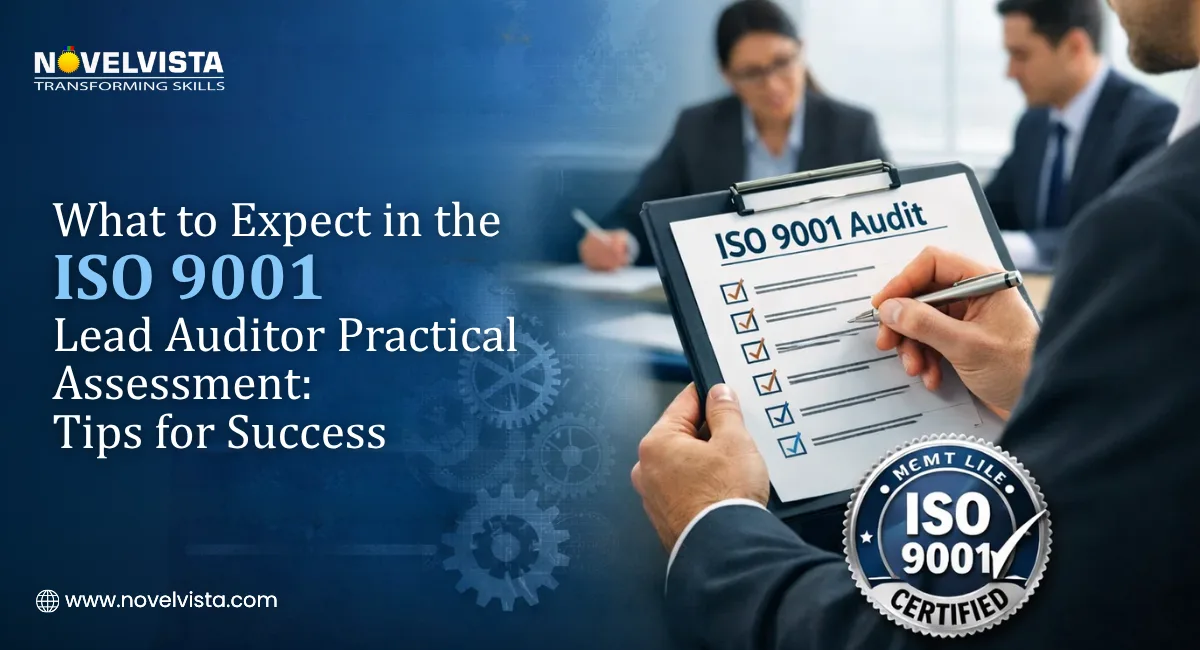
The ISO 9001 Lead Auditor Practical Assessment has become a defining milestone for professionals aiming to advance in quality management and auditing roles. As organizations increasingly prioritize quality assurance and compliance, the demand for certified auditors continues to grow globally. According to ISO survey insights, over 1 million organizations worldwide are certified to ISO 9001 standards, which directly fuels the need for skilled lead auditors who can evaluate systems effectively and ensure continuous improvement.
It is important to note that while the requirements are rooted in ISO 9001:2015, the conduct of the audit itself follows the guidelines established in ISO 19011:2018. Successfully passing this assessment requires you to balance the technical rigor of quality management with the systematic approach of a professional auditor.
But here’s the real question many candidates ask before attempting the lead auditor practical exam: What actually happens during the assessment, and how can you prepare effectively without feeling overwhelmed?
This exam is not just about memorizing standards. It tests your ability to think like an auditor, respond to real-world scenarios, and demonstrate structured decision-making under pressure. It is designed for quality professionals, internal auditors stepping into leadership roles, compliance officers, and anyone responsible for managing or evaluating quality systems.
If you are preparing for this assessment, understanding the structure, expectations, and audit roleplay tips can make a significant difference in your performance.
The ISO 9001 Lead Auditor Practical Assessment is a simulation-based evaluation designed to test how well a candidate can apply ISO 9001 principles in real auditing situations. Unlike theoretical exams, this assessment focuses on practical execution, communication, and decision-making.
During the mock audit assessment, candidates are placed in simulated audit environments where they must interact with auditors, review documentation, identify non-conformities, and justify findings.
The core idea is simple: can you perform as a lead auditor in a real organization?
This includes evaluating processes, asking relevant questions, maintaining objectivity, and ensuring compliance with ISO standards while managing audit dynamics effectively.
Structure of the Lead Auditor Practical Exam
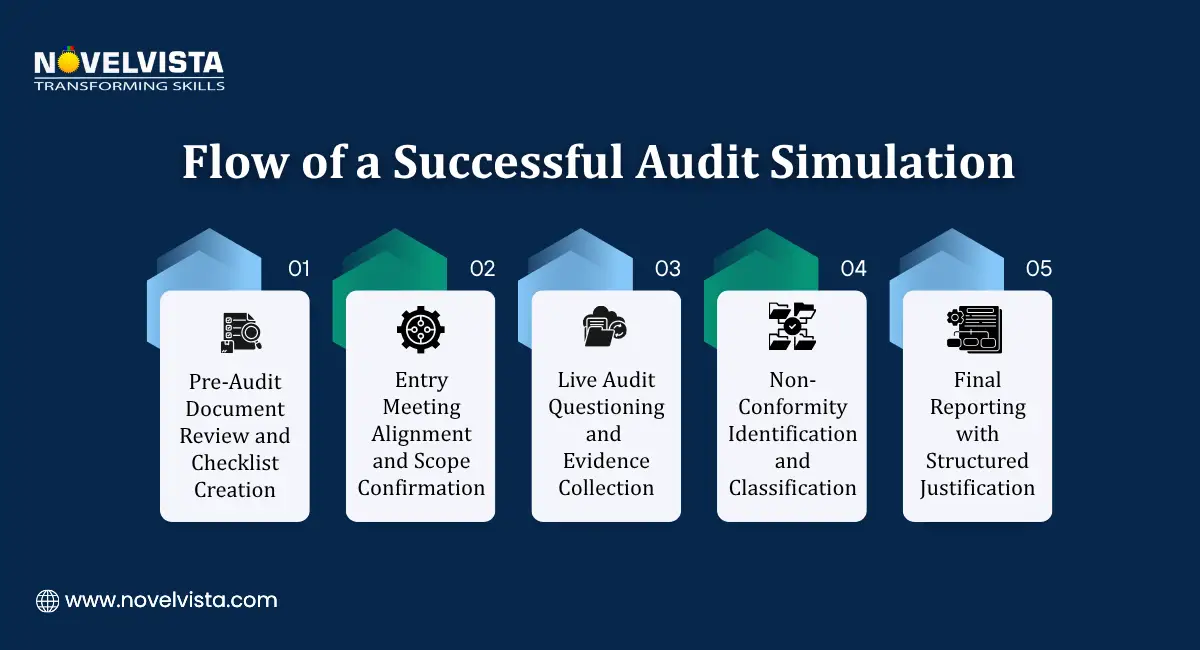
To succeed in the lead auditor practical exam, it is essential to understand its structure clearly. The exam typically consists of three key phases:
In this stage, candidates review audit objectives, scope, and documentation. You are expected to prepare an audit plan and identify key focus areas.
This is the most critical part, where audit roleplay tips become highly valuable. You interact with the auditee, ask structured questions, and collect audit evidence. Your ability to communicate and think critically is tested here.
In the final stage, you document findings, classify non-conformities, and present conclusions. Clarity and accuracy are essential.
| Audit Phase | Focus Area | Key Skill |
| Planning | Scope & Risk | Strategic Alignment |
| Execution | Evidence Gathering | Objective Inquiry |
| Reporting | Finding Classification | Evidence Correlation |
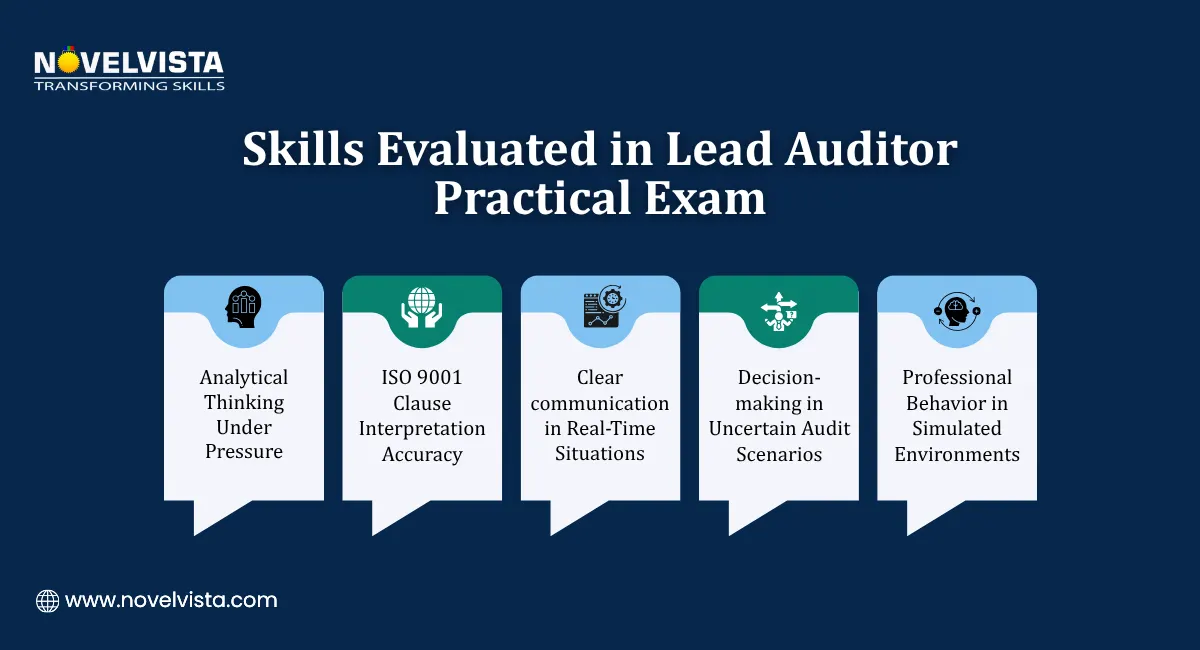
Across these stages, examiners evaluate your understanding of ISO 9001 principles, communication skills, and analytical thinking.
The mock audit assessment is designed to replicate real-world auditing challenges. Several key competencies are evaluated:
One of the most important aspects is how effectively you manage conversations during audit simulations. This is where preparation and practice play a major role.
Success in the lead auditor practical exam depends heavily on how well you perform in simulated environments. Strong audit roleplay tips can significantly improve your confidence and performance.
First, always maintain a professional and neutral tone. Remember, you are not there to judge but to assess compliance objectively.
Second, structure your questions clearly. Instead of asking vague questions, focus on specific process areas and evidence-based inquiry.
Third, listen actively. Many candidates lose marks because they focus too much on speaking and not enough on understanding responses.
Fourth, always link observations back to ISO 9001 clauses. This shows examiner-level understanding.
Finally, practice different scenarios repeatedly. The more exposure you have to roleplay, the more natural your responses will become during the actual exam.
The opening meeting sets the tone for the entire audit, and using a well-prepared opening meeting script is a key success factor in the lead auditor practical exam.
The purpose of the opening meeting is to introduce the audit team, explain objectives, confirm scope, and establish communication protocols. It ensures all stakeholders understand the audit process.
A strong opening meeting script should include:
The key is to sound structured but natural. Avoid reading mechanically. Instead, practice until your delivery feels conversational and confident.
Quick-Start Opening Meeting Checklist
Common mistakes include skipping key details, speaking too fast, or failing to confirm agreement from participants. Use a structured ISO 9001 Lead Auditor Checklist to stay organized, ensure complete coverage, and confidently navigate every stage of the lead auditor practical exam.
One of the most effective ways to prepare for the lead auditor practical exam is through repeated mock audit assessment practice.
Mock audits simulate real-world conditions and help candidates build familiarity with audit flow, documentation handling, and communication dynamics.
They help you:
Regular practice also reduces anxiety during the actual exam. The more you simulate audit environments, the more natural your responses become.
A strong preparation strategy is essential for success in the lead auditor practical exam.
Start by revising ISO 9001 clauses thoroughly. Focus especially on process approach, risk-based thinking, and performance evaluation.
Next, build a structured study schedule. Allocate time for theory, documentation review, and mock audit assessment practice.
Work on your communication skills, as audit roleplay tips emphasize clarity and confidence in interaction.
Finally, review sample opening meeting script formats and practice delivering them aloud.
Consistency is more important than intensity. Short, regular practice sessions are more effective than last-minute preparation.
Pro Tip: Prepare smarter with a comprehensive Exam Questions for ISO 9001 guide to strengthen your understanding and boost confidence for the lead auditor practical exam.
On the day of your lead auditor practical exam, your focus should be on clarity and calm execution.
Start by reviewing your opening meeting script mentally. This helps set the tone for confidence.
During the exam, avoid rushing through observations. Take a structured approach to every audit interaction.
Use simple, professional language and ensure every finding is backed by evidence.
Most importantly, stay aligned with ISO 9001 principles and maintain an objective mindset throughout the assessment.
To score high, your findings must follow the "3-Part Statement" structure:
The Non-Conformity: "Therefore, the evidence does not meet the requirement because..."
The ISO 9001 Lead Auditor Practical Assessment is more than a certification checkpoint—it is a direct test of how effectively you can perform in real audit environments. It challenges not just your knowledge, but your ability to think critically, communicate with clarity, and make informed decisions under pressure.
To succeed in the lead auditor practical exam, preparation must go beyond theory. Consistent mock audit assessment practice sharpens your ability to handle real scenarios, while refining your audit roleplay tips ensures you communicate with confidence and precision. At the same time, mastering your opening meeting script helps you establish control, professionalism, and clarity right from the start.
Ultimately, success comes down to structured preparation, practical exposure, and confidence in execution. When you align these elements, you don’t just pass the exam—you position yourself as a capable, credible lead auditor ready to drive quality excellence across organizations.
Ready to take your auditing skills to the next level and confidently clear the ISO 9001 Lead Auditor Practical Assessment?
Join NovelVista’s ISO 9001 Lead Auditor Certification Training and gain hands-on experience with real-world audit scenarios, mock audit assessment practice, and expert-led audit roleplay tips. This course is designed to help you master every stage of the lead auditor practical exam, including delivering a confident opening meeting script and handling complex audit situations with ease.
Start your journey toward becoming a certified lead auditor and drive quality excellence across organizations today.

Author Details

Course Related To This blog
ISO 9001:2015 Lead Auditor Training and Certification
Confused About Certification?
Get Free Consultation Call
Stay ahead of the curve by tapping into the latest emerging trends and transforming your subscription into a powerful resource. Maximize every feature, unlock exclusive benefits, and ensure you're always one step ahead in your journey to success.